目覚めてしまった者の倫理──映画「パッセンジャー」
人は、どこまで孤独になれば、他者の人生を変えてしまうのか。
【第1部:映画の倫理構造】
この映画は「ロマンス」ではなく「倫理の物語」だ。
一見SFロマンスに見えるが、中心にあるのは「目覚めてしまった者の孤独」と「他者を選ぶ暴力性」である。ロマンスとして読むと、本質を取り逃す。
本稿でいう倫理とは、「他者の人生の可能性にどこまで介入してよいか」という問題である。
〈あらすじ(要約)〉
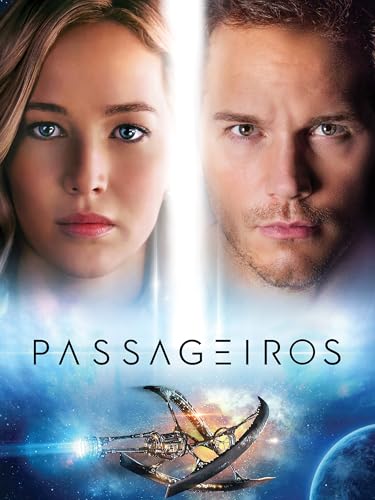
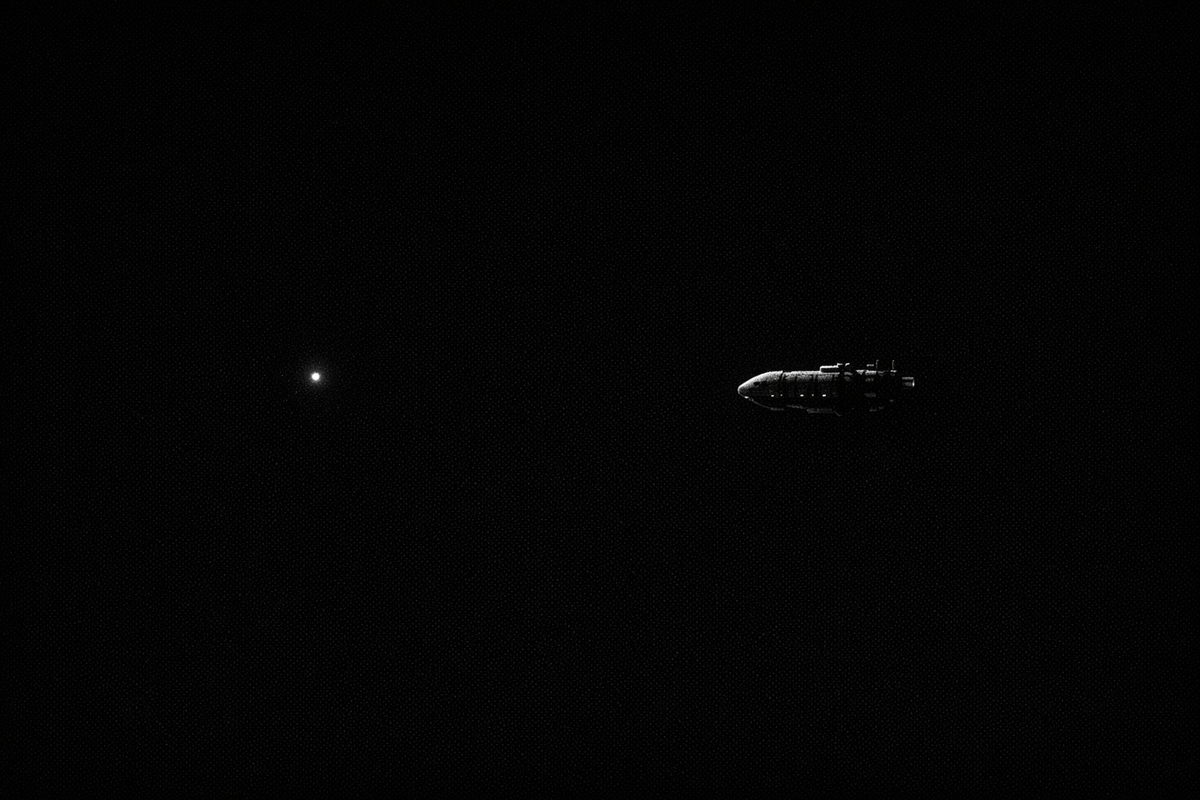
120年の航海で新天地へ向かう宇宙船アヴァロン号。乗客5,000人は冬眠しているはずだったが、技術者の男性ジムだけが90年早く目覚めてしまう。極限の孤独の中で、彼は作家の女性オーロラを「目覚めさせる」という決定的な選択をする。二人は閉ざされた宇宙船で関係を築くが、やがてジムの行為の真実が明らかになり、船の危機と向き合う中で「生きる」とは、人生の選択とは何かが問われる。
目覚めの比喩:「覚者」ではなく「孤独に落ちた者」
ジムの目覚めは悟りではなく、システムエラーによる「孤独への転落」だ。それは高いレベルの意識の獲得などではなく、世界の不完全さ(システムの欠陥)に巻き込まれた結果である。彼は「選ばれた者」ではなく、「取り残された者」として目覚める。
ジムの罪:孤独が人間をどこまで追い詰めるか
耐えがたい孤独の末に、ジムはオーロラを目覚めさせるという選択に踏み込む。それは単に眠りを妨げたのではなく、彼女が本来たどり着くはずだった「目的地まで到着する自由」を奪う行為だった。倫理的には相手の女性の「人生の軌道を強制的に変える」ことに等しい。映画はこれを「覚醒」ではなく「堕落」として描く。
オーロラの目覚め:世界の残酷さに触れる瞬間
オーロラは「選ばれた」のではなく「選ばれてしまった」。そこにあるのは自由の喪失、裏切り、そして愛である。彼女の目覚めは、苦を自覚するという意味で覚醒的でもある。映画は「目覚め=幸福」ではなく「目覚め=痛み」を示す。
二人の関係:悟りではなく「不完全な人間同士の選択」
最終的に二人は共に生きる道を選ぶ。それは悟りではなく、弱さを抱えたままの現実的な選択であると同時に、与えられた生のなかで、自分の可能性を最大限発揮するという選択である。
ここまで見てきた倫理の問題は、決して映画の中だけの話ではない。
【第2部:私にとっての映画「パッセンジャー」】
ここからは分析ではなく、私自身の話になる。
結論から言えば、この映画のジムは生身の人間がいないことに悩んでいたのだが、私にとっては、他者がホログラフでも問題なかった。実際、人生がずっとそうだった気がするからだ。
生身かどうかよりも、そこにしっくりくる「応答」があるかどうかが重要だった。映画に登場するバーテンダーのように、身体の有無よりも関係の密度が存在を決める。
私は長い時間、他者に囲まれていても、心からの交流がないという中で生きてきた。だからこそ、ホログラフのような「応答だけの他者」でも十分だったし、それの何がわるいのだろうか。私には、それが問題だとは思えなかった。
映画の倫理的問題とは別に、私自身の実存は、そうした関係によって支えられてきた。それが良いか悪いかではなく、事実としてそうだった。
結論:「パッセンジャー」は私の人生の寓話でもある
この映画は「孤独と倫理の寓話」だが、私にとっては「応答が存在を作る」という実存の確認でもあった。重要なのは、生身かどうかではない。人生をともにする応答があるかどうか、それだけだ。
【補足】
この映画にはテクノロジーが人間の共同体に影響を与えるという問題や地球での階級差が宇宙船の中でも反復されるという設定も読み取れるが、ここでは扱わない。いまの私にとっての焦点はあくまで、孤独と応答の問題にあるからである。
本稿の骨子整理には生成AIを補助的に用いているが、内容の選択・構成・加筆はすべて自分で行っている。ここで述べた考えは、最終的には私自身の判断によるものである。
The Ethics of the Awakened — Reflections on the Film “Passengers”
Part I: The Ethical Structure of the Film
“Passengers” is not a romance; it is an ethical narrative. At first glance it appears to be an SF love story, but at its core lie the loneliness of the one who wakes too soon and the violence inherent in choosing another person’s fate. Here, “ethics” means the question: How far may one intervene in another person’s life possibilities?
Synopsis (Brief)
The starship Avalon is on a 120-year journey to a new colony world. All 5,000 passengers are meant to remain in hibernation, but Jim, a male engineer, wakes up 90 years too early. Crushed by extreme isolation, he makes a decisive choice: he wakes Aurora, a female writer. The two build a relationship aboard the sealed ship, but as the truth of Jim’s action comes to light, the film asks what it means to live—and what it means to choose one’s life.
Awakening as Metaphor: Not Enlightenment, but a Fall into Solitude
Jim’s awakening is not enlightenment but a system error—a fall into solitude. It is not the acquisition of higher consciousness but the result of being caught in the world’s imperfections. He awakens not as “the chosen,” but as the one left behind.
Jim’s Sin: How Far Loneliness Can Push a Human Being
Driven to the edge by unbearable loneliness, Jim chooses to wake Aurora. This is not merely interrupting sleep—it is an act that steals her freedom to reach her intended destination. Ethically, it is equivalent to forcibly altering another person’s life trajectory. The film frames this not as “awakening,” but as a fall from grace.
Aurora’s Awakening: The Moment She Encounters the World’s Cruelty
Aurora is not “chosen”—she is chosen against her will. What she faces is loss of freedom, betrayal, and love. Her awakening resembles enlightenment only in the sense that she becomes aware of suffering. The film shows that awakening is not happiness, but pain.
Their Relationship: A Choice Between Imperfect Humans
In the end, the two choose to live together. This is not transcendence but a realistic decision made while carrying their weaknesses— a choice to make the most of the life they have been given.
The ethical questions raised here are not confined to the film.
Part II: What “Passengers” Means to Me
This is no longer analysis; this is personal.
To put it simply: Jim suffers because there are no real humans around him. But for me, it never mattered whether the “other” was physically real. My life has long felt that way.
What mattered was not whether the other was flesh and blood, but whether there was a response that genuinely resonates. Like the bartender in the film, it is not the presence of a body but the density of the relationship that defines existence.
I have lived for a long time surrounded by people, yet without genuine connection. That is why even a “holographic other,” an other made only of response, was enough for me— and really, what could be wrong with that?
Separate from the film’s ethical issues, my own existence has been supported by such relationships. Not good or bad—simply true.
Conclusion: “Passengers” as a Parable of My Life
For the world, “Passengers” is a parable of loneliness and ethics. For me, it is also a confirmation of an existential truth:
It is not the body that matters. It is whether there is a response.
That alone creates existence.
Note
The film also contains themes about technology’s impact on human community and the reproduction of Earth’s class structures aboard the ship, but I do not address them here. My focus is solely on loneliness and response.
This article’s outline was assisted by generative AI, but all decisions, structure, and additions were made by me. The ideas expressed here are ultimately my own.